How Roof Flashing Prevents Leaks Around Chimneys and Vents
Hiring local contractors for roof flashing installation ensures proper sealing around chimneys and vents, preventing leaks and protecting your home from water damage.
Understanding how roof flashing prevents leaks around chimneys and vents is essential for property owners looking to protect their homes. Properly installed flashing acts as a barrier that directs water away from vulnerable areas where the roof intersects with chimneys and vents, preventing moisture from seeping into the structure. If these areas are not properly sealed, even small gaps can lead to significant water damage over time. Local contractors who specialize in roof flashing installation can assess your roof’s unique features and ensure that the flashing is correctly fitted, providing peace of mind that your home is safeguarded against potential leaks.
For property owners in the area, exploring how roof flashing prevents leaks around chimneys and vents is a practical step toward maintaining a durable, weather-resistant roof. Proper flashing installation not only helps prevent water intrusion but also extends the lifespan of the roof by reducing the risk of rot and structural issues. Connecting with experienced service providers can help ensure that the flashing around your chimney and vents is expertly installed, giving you confidence that your home remains protected from water-related problems. Keep reading to learn more about how this critical component plays a role in your roof’s overall performance.
- Homeowners seeking to prevent leaks around chimneys and vents can rely on local contractors to properly install roof flashing for effective water diversion. - When replacing or repairing a roof, service providers ensure that flashing around vents and chimneys is correctly sealed to stop leaks. - During chimney or vent upgrades, local pros can install or upgrade roof flashing to maintain a watertight barrier against leaks. - For homes experiencing persistent leaks near chimneys or vents, specialists assess and replace faulty or damaged roof flashing. - New construction projects involving chimneys and vents often require local contractors to install roof flashing that prevents leaks and protects the structure.
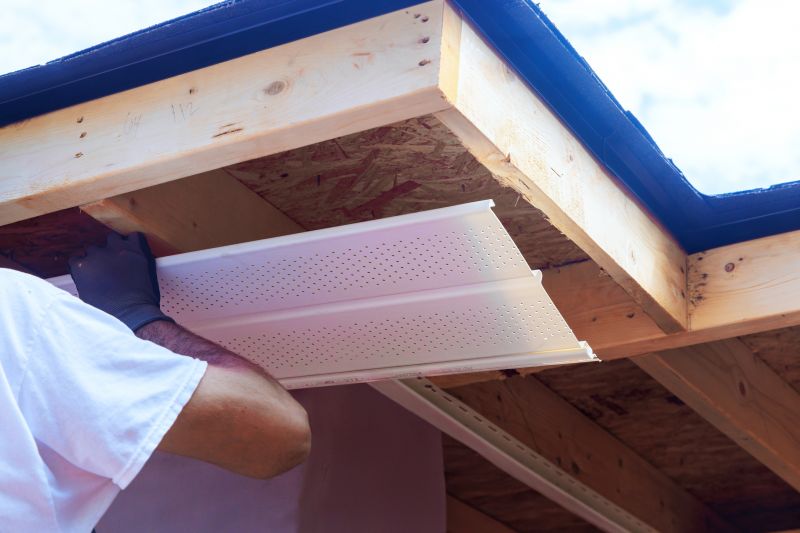
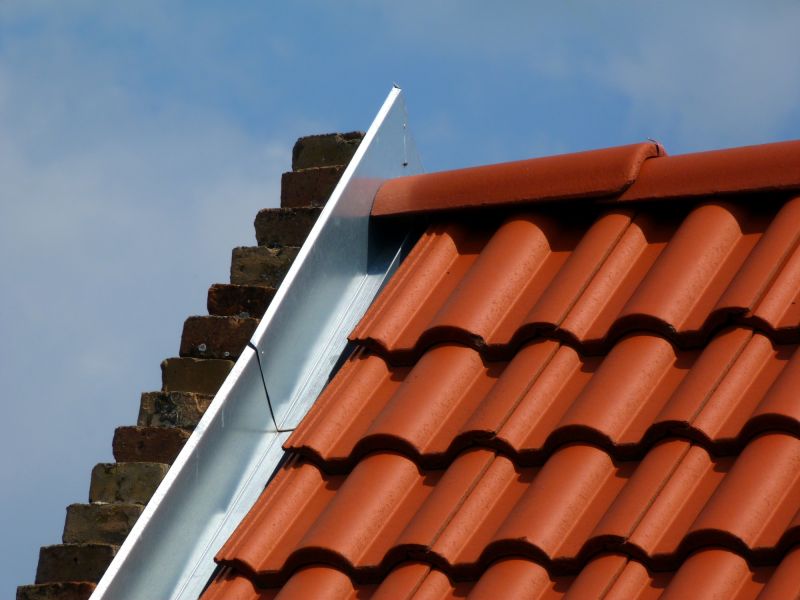
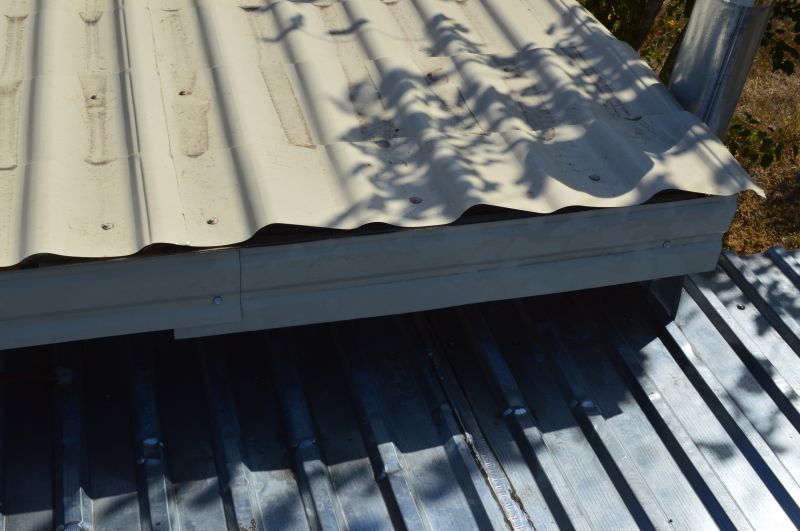
When people search for how roof flashing prevents leaks around chimneys and vents, they are often seeking to understand the role of this critical roofing component in protecting their homes. Many homeowners notice water stains or dampness near these roof features and want to know how to prevent further damage. The search typically relates to common roofing issues, such as leaks caused by weather, aging materials, or poor installation. Understanding how roof flashing works helps homeowners identify potential vulnerabilities in their roofs and consider the importance of professional installation or repair to maintain a watertight seal around chimneys and vents.
This topic is closely connected to property maintenance and repair plans, especially for homes with chimneys or vent pipes protruding through the roof. Leaks around these areas can lead to significant interior damage, mold growth, or structural deterioration if not addressed promptly. Many property owners are interested in how to properly install or replace roof flashing to prevent water infiltration. They often look for guidance on the types of flashing materials suitable for different roof types, as well as how experienced service providers can ensure a durable, weather-resistant seal. Properly installed roof flashing is a key part of a comprehensive roofing strategy to protect the home’s interior and prolong the lifespan of the roof.
The types of properties that commonly come up when discussing how roof flashing prevents leaks include single-family homes, multi-family residences, and commercial buildings. Homes with complex roof designs, multiple chimneys, or vent stacks are especially vulnerable to leaks if flashing is not correctly installed or maintained. Older properties may require upgrades to their flashing systems to address wear and tear, while new constructions often incorporate integrated flashing solutions from the start. Regardless of the property type, the goal remains the same: to create a reliable barrier that directs water away from vulnerable roof joints and prevents leaks from developing over time.
In practical terms, understanding how roof flashing prevents leaks around chimneys and vents highlights the importance of professional installation and regular inspections. Local service providers who specialize in roof flashing can evaluate existing systems, identify potential problem areas, and install or repair flashing to ensure a secure, weatherproof seal. For homeowners planning a roof upgrade or addressing persistent leaks, connecting with experienced contractors can make a significant difference. Properly installed roof flashing not only helps keep water out but also provides peace of mind, knowing that the home’s most vulnerable roof areas are protected by durable, well-designed flashing systems.
Chimney Repair Projects - these involve sealing and flashing work similar to roof flashing installation to prevent leaks around chimneys and vents.
Vent Pipe Flashing Services - installing and maintaining vent pipe flashings requires skills aligned with preventing water intrusion around vents and chimneys.
Roof Leak Detection and Repair - identifying and fixing roof leaks often involves understanding flashing and sealing techniques used around chimneys and vents.
Skylight Installation and Repair - proper flashing around skylights shares planning and waterproofing skills essential for preventing leaks similar to chimney flashing.
Roofing Replacement Projects - replacing or repairing roofing systems involves installing or upgrading flashing components to ensure a waterproof seal around protrusions.
Flashing Replacement Services - these specialists focus on replacing or repairing roof flashing, directly related to preventing leaks around chimneys and vents.
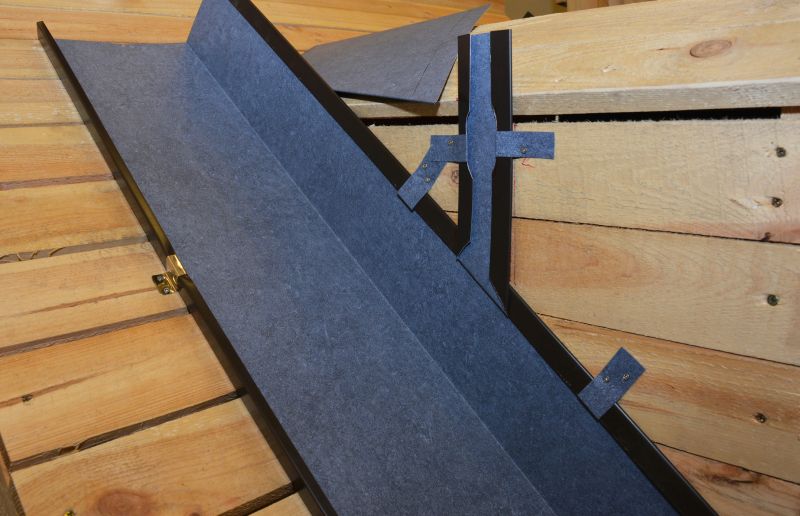
When evaluating service providers for roof flashing installation, it is important to consider their experience with similar projects, particularly those involving chimneys and vents. Homeowners should inquire about how long a contractor has been working on roof flashing and whether they have handled projects comparable in scope and complexity. Contractors with a proven track record in this area are more likely to understand the nuances of properly sealing around chimneys and vents to prevent leaks, ensuring that the work performed will be durable and effective over time.
Clear written expectations are essential when comparing local contractors for roof flashing services. Homeowners should seek detailed descriptions of the scope of work, including the materials used, the installation process, and any warranties or guarantees offered. Having this information in writing helps prevent misunderstandings and provides a basis for assessing whether the contractor’s approach aligns with the importance of preventing leaks around chimneys and vents. Transparent communication about what to expect can also make it easier to evaluate the professionalism and thoroughness of each service provider.
Reputable references and good communication are key factors in choosing a reliable contractor for roof flashing installation. Homeowners should ask for references from previous clients who had similar work done, especially around chimneys and vents, to gain insight into the quality and longevity of the contractor’s work. Additionally, responsive and clear communication during the initial consultation can indicate a contractor’s willingness to listen, answer questions, and address concerns-traits that are valuable when ensuring the proper installation of roof flashing to prevent future leaks. These elements help build confidence that the selected service provider will deliver a high standard of craftsmanship and support throughout the project.
Property owners often search for how roof flashing prevents leaks around chimneys and vents when they are planning practical projects around their homes and businesses. Local pros provide Roof Flashing Installation services for everyday jobs and straightforward project options.

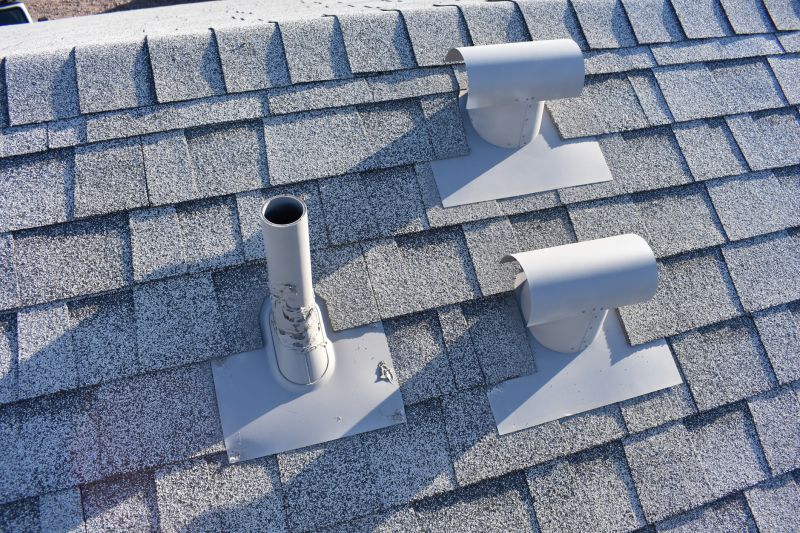
Understanding how roof flashing prevents leaks around chimneys and vents is essential for property owners who want to protect their homes from water damage. When installing or repairing these critical roof components, local contractors can ensure that the flashing is properly sealed and positioned to direct water away from vulnerable areas. This simple yet effective barrier helps prevent water from seeping into the roof structure, which can lead to costly repairs and interior damage over time. Homeowners in the area often seek out experienced service providers to handle flashing installation or replacement, especially after noticing signs of leaks or during routine roof maintenance.
For those tackling DIY projects or scheduling routine roof inspections, knowing the importance of properly installed roof flashing can make a significant difference. Local service providers are equipped to assess existing flashing and identify any vulnerabilities that might allow water infiltration. Proper installation around chimneys and vents not only helps prevent leaks but also extends the lifespan of the roofing system. Property owners considering upgrades or repairs can benefit from consulting with local pros who specialize in roof flashing services, ensuring that the critical details are handled correctly to keep homes dry and protected.
How does roof flashing help prevent leaks around chimneys and vents? Roof flashing creates a watertight barrier that seals the gaps where chimneys and vents penetrate the roof, preventing water from seeping in and causing leaks.
Why is proper installation of roof flashing important for leak prevention? Proper installation ensures that the flashing fits correctly and is securely sealed, reducing the risk of water infiltration around chimneys and vents during heavy rain or snow.
Can roof flashing be installed on existing roofs to stop leaks? Yes, experienced contractors can install or replace roof flashing on existing roofs to improve leak prevention around chimneys and vents, especially if current flashing is damaged or improperly installed.
What types of roof flashing are commonly used around chimneys and vents? Common types include step flashing, continuous (apron) flashing, and counter flashing, all designed to direct water away from the chimney or vent opening and prevent leaks.
How do local contractors ensure roof flashing effectively prevents leaks? They assess the roof's condition, select appropriate flashing materials, and install them with proper techniques to ensure a secure, watertight seal around chimneys and vents.
Understanding flashing placement - property owners can learn how proper flashing placement around chimneys and vents helps prevent water intrusion and reduces the risk of leaks.
Choosing durable materials - selecting high-quality flashing materials ensures long-lasting protection against weather elements when working with local contractors.
Scheduling regular inspections - routine checks by local pros can identify potential vulnerabilities in roof flashing before leaks develop.
Implementing professional installation - hiring experienced service providers guarantees that roof flashing is installed correctly to effectively prevent leaks around chimneys and vents.
If you are thinking about how roof flashing prevents leaks around chimneys and vents for a property, this guide is meant to help you understand this topic, the typical project types, and how different options might fit your plans.
When you are ready, you can use the quote form on this page to share a few details about your project. From there, local pros can review the basics and follow up with options that match what you have in mind.